What a crash leaves on record
How much paper a crash leaves behind depends mostly on who paid for the damage.
| What happened | Where it shows up |
|---|---|
| The insurer wrote the car off | The written-off vehicle register. A PPSR search shows it, and it stays on the car's record after it's repaired and sold. |
| The insurer paid for repairs | The insurance claim. Claims aren't public, but some history reports include them. |
| It went through a damaged-vehicle auction | The auction lot, which records the damage and write-off status at the time of sale. |
| The owner paid for repairs themselves | Nowhere. Only an inspection will find it. |
The checks below follow that order: the written-off record first, then claims and auctions, then the car itself. The record checks all work from the VIN, so ask the seller for it before you start. You'll find it on the rego papers, the compliance plate and usually at the base of the windscreen.
1. Check the written-off record
When an insurer decides a car isn't worth fixing, it's recorded as written off, and that record follows the car through every sale after. A PPSR search on the government site costs $2 and shows whether the car is recorded as written off or stolen. It searches by VIN or chassis number only, not by plate. Two limits are worth knowing: it only shows a crash if the car was written off, and write-offs are only recorded for light vehicles up to about 15 years old at the time (16 in Queensland). Every Carify report includes the official PPSR certificate, so you get it either way with a PPSR check from us.
There are two kinds of write-off, and the difference matters:
- Statutory write-off. Damaged badly enough that it can never be registered again. It can be sold for parts or scrap, not driven on the road.
- Repairable write-off. It can be repaired and registered again once it passes safety and identity inspections, in the states that allow it. This is the one people buy without knowing, because once it's fixed it looks like any other used car.
It's more common than most buyers expect. We went through every history check run through Carify from October 2019 to July 2026: more than one in eight cars (13.4%) had a written-off record, and 93% of those were repairable write-offs. Collisions caused 86% of them, hail and flood about one in ten, and 58% had structural damage recorded somewhere on the car. These are cars someone was already wary enough to check, so the rate across every car on the road is lower. The full breakdown is in our written-off car study.
Where the car is registered changes the odds. New South Wales won't re-register a written-off light vehicle except in a few narrow cases, the main one being hail damage on a car the owner keeps. Queensland, Victoria, Western Australia, South Australia and Tasmania let a repairable write-off back on the road once it passes inspection, and a car repaired and registered interstate can later be registered in NSW too. In our data, around one in five cars registered in Queensland, Western Australia and South Australia had a write-off record, against roughly one in twenty in New South Wales. A car that's moved interstate deserves the same check, however clean it looks.
The record also says what happened. Written-off entries carry codes for the type of incident (impact, hail, water, fire and so on), how severe the damage was, and where on the car it was, down to codes for the chassis rails and the airbags. On a plain certificate they're just letters and numbers. Our visual written-off report draws them on a diagram of the car, and it comes with every WOVR check.
2. Look for insurance claims and damaged-vehicle auctions
Most crashes never get near a write-off. The insurer pays a panel shop, the car goes back to its owner, and the PPSR shows nothing. That's the gap a PPSR search can't close.
A Carify Comprehensive report goes further. Where a record exists, it shows:
- Insurance repair claims on the car: when, the type and area of damage, and the assessor's estimate of the repair cost.
- Lots at damaged-vehicle auctions, with the damage and write-off status recorded at the sale. These auctions are where insurers sell the cars they've paid out, so a lot there points to serious damage.
- Risk indicators: signs of past damage or major repairs in the car's earlier advertising.
- Odometer readings from registration, sale and auction records, so you can see whether the kilometres add up.
Each of these only appears when we find a record. An empty section is a good sign, not a guarantee, which is why the next step still matters. All you need to run one is the rego and state, or the VIN.
3. Inspect the car yourself
Records only catch crashes that someone reported. A prang fixed for cash at a mate's panel shop leaves nothing on paper, so look the car over before you trust any report.
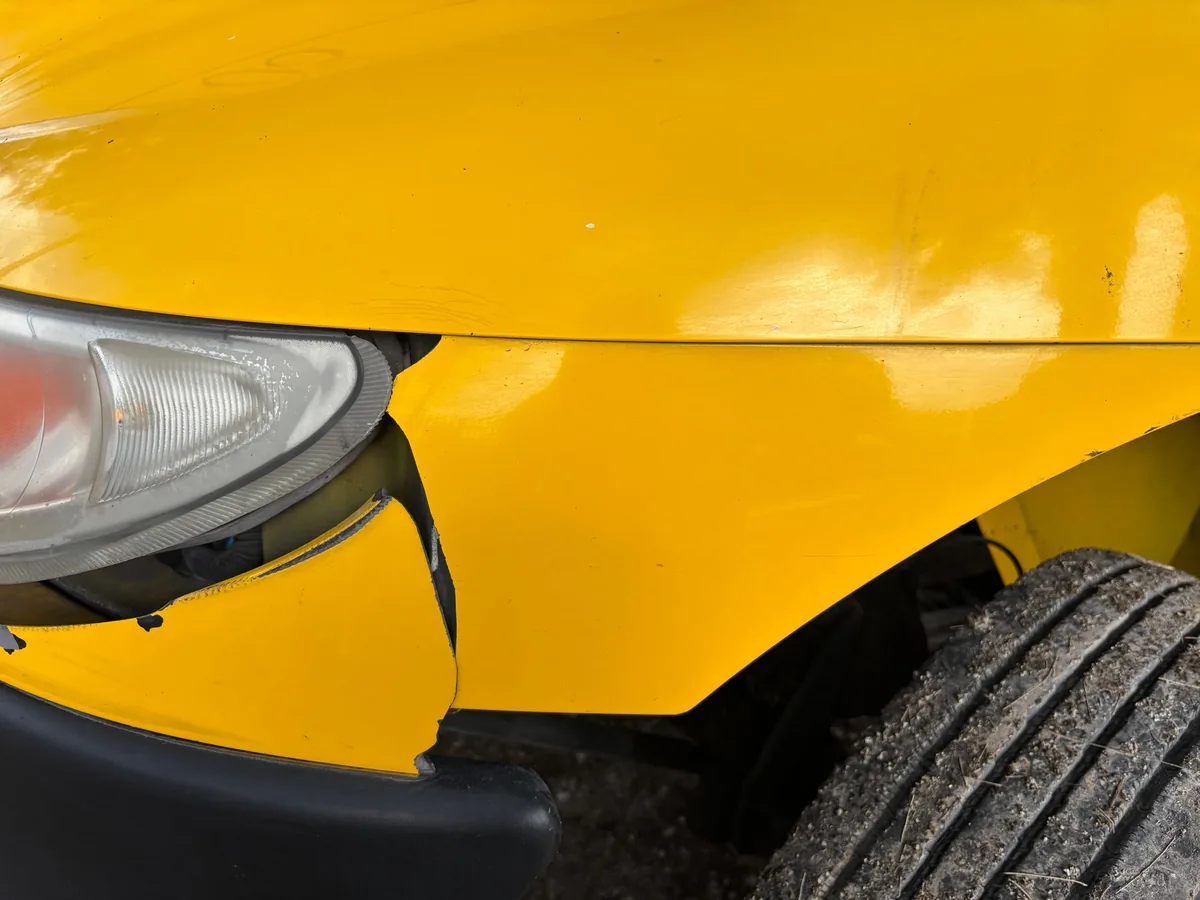
The repair is usually what gives a crash away. Walk around the car in good light and sight along each side: reflections wander where a panel has been reworked. Then go through the details:
- Paint that's a shade off from one panel to the next, or overspray on door rubbers, plastic trim and the bumpers.
- Uneven gaps between panels: bonnet to guards, doors to body, boot lid to tail-lights.
- Ripples, creases or dents along the panels. A soft fridge magnet that won't stick in one spot can mean body filler underneath.
- Scratches or fresh paint on the door sills, which get disturbed when a car is pulled apart and put back together.
- Scratches, grind marks or drill holes around the VIN or engine number, or a VIN that doesn't match the rego papers.
- Warning lights that don't come on for a moment when you turn the key, the airbag light most of all, or one that stays on.
- Tyres worn unevenly, which can mean the steering or suspension is out of line.
If you're serious about the car, book a pre-purchase inspection. An inspector with a hoist can see the chassis rails and floor pan, which is where a big repair is hardest to hide and most expensive to get wrong. The NSW Government's used vehicle inspection checklist is a good one to print and take with you. Our 14 warning signs and test drive guide cover the rest of the inspection, and flood damage has its own tells, covered in how to spot a flood-damaged car.
4. Ask the seller, in writing
Ask straight out: "Has it ever been in an accident, written off or had an insurance claim?" Send it by text or email so the answer is in writing. What the seller has to tell you depends on who they are. A dealer can't mislead you about a car's accident history or write-off status, and dealers in every state have to tell you if a car is on the written-off register. Private sellers are different. In New South Wales, Queensland, South Australia and Western Australia, a private seller doesn't have to mention that the car was written off, and consumer guarantees don't cover private sales. Victoria is the exception: there, every seller must tell you if the car is written off, whether you ask or not. So ask anyway, keep the answer, and run the checks above whatever you're told.
Can you check a car's accident history for free?
Not fully. The free rego checks in New South Wales, Victoria and Queensland don't show write-offs at all; they send you to the PPSR. South Australia's free online check shows a general warning if a car is stolen or written off, without the details. Everywhere else, the cheapest write-off check is the $2 PPSR search. One gap: the PPSR doesn't hold stolen-car data for Tasmania, so for a Tasmanian car, check with the state as well.
Insurance claims and damaged-vehicle auction records aren't free anywhere. Insurers don't publish claims, and police crash reports generally only go to the people involved and their insurers. Those records come with a paid history report.
The car has been in an accident. Should you walk away?
Not always. A car that was repaired properly can be a perfectly good buy, and a crash on the record should bring the price down. A report with something on it isn't an automatic no. It tells you what questions to ask.
- Ask for the repair invoices, and for a repairable write-off, the inspection paperwork that got it back on the road.
- Get it inspected, especially if the record mentions structural damage.
- Get an insurance quote before you pay. Some insurers treat a repaired write-off differently.
- Price in resale. The written-off record stays with the car, and the next buyer will see it too.
Once you know what you're dealing with, our negotiation tips will help you use it.